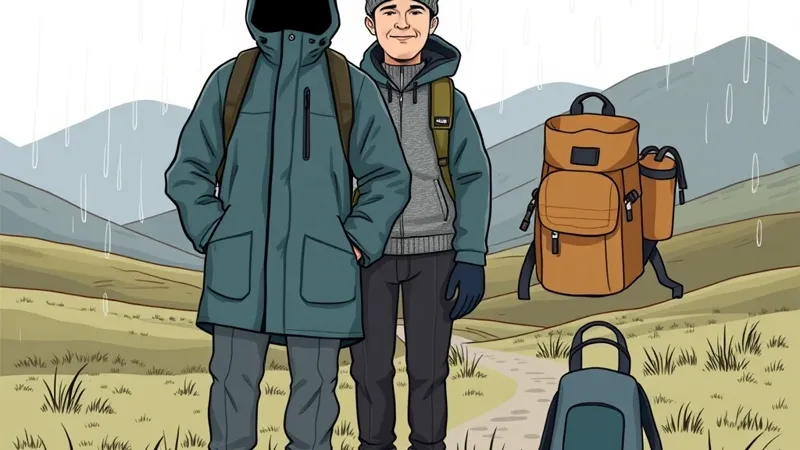
What should you pack for rain and wind on the Isle of Skye?
Pack waterproof outer clothing, adjustable warm layers and dependable footwear. Your core Isle of Skye rain and wind packing list is:
- Hooded waterproof jacket.
- Waterproof overtrousers.
- Breathable, quick-drying base layers.
- Insulating midlayer.
- Grippy footwear.
- Warm hat and gloves.
- Spare socks.
- Waterproof bag liner.
These essentials suit sightseeing; exposed walks require additional equipment, route planning and skills. Weather determines whether outings are appropriate, views are visible and stops can operate, regardless of your clothing or tour booking.
Check Met Office forecasts and warnings before travelling and again before heading out. Forecasts inform decisions about your visit; long-term climate averages describe typical patterns, not the weather you will encounter.
How should you layer clothing for changeable Skye weather?
Use a breathable base layer, an insulating midlayer and a waterproof outer shell, adjusting them before you become sweaty or cold.
Quick-drying synthetic or wool clothing is more practical than jeans or cotton as your main walking outfit. At a sheltered sightseeing stop, a base layer and fleece may suffice, with waterproofs ready. On an exposed hillside, wind and rain can make the shell and additional insulation necessary.
Keep an insulating layer dry for stops. Waterproofing is not warmth: a lightweight shell usually provides little insulation. Consult Mountaineering Scotland for mountain clothing and preparation guidance; suitability and fit matter more than expensive branding.
Which waterproof jacket and trousers should you bring to Skye?
Choose a waterproof shell with taped seams, an adjustable hood and secure cuffs, plus overtrousers you can put on conveniently over your footwear.
- Waterproof shell: the primary rain barrier for sightseeing and walking. Check that the hood stays secure without obstructing your view.
- Water-resistant windbreaker: useful against wind and brief light showers, but not a substitute for waterproof clothing in sustained rain.
- Poncho: potentially useful for sheltered, low-activity stops, but loose fabric can flap and become awkward in exposed wind.
Try the jacket over your insulating layer before packing. Practise putting on the overtrousers rather than discovering an awkward fit outdoors. Mountaineering Scotland’s equipment guidance is a useful reference.
An umbrella is not dependable primary protection on exposed ground: gusts can make it difficult to control, and it occupies a hand.
Do you need hiking boots for the Isle of Skye?
Not for every visit: choose footwear for the actual surface, terrain and conditions.
Comfortable trainers with dependable grip may suit short visits on surfaced ground. Muddy, rocky or steep routes call for suitable walking shoes or boots, chosen for fit and traction rather than appearance. Check route-specific descriptions at Walkhighlands before deciding.
Waterproof footwear can help, but water may enter over the cuff and wet shoes may dry slowly. Bring spare socks and separate dry footwear for evenings in Portree.
What extra equipment do the Storr, Quiraing and Cuillin require?
Exposed walks need navigation, emergency preparation and a willingness to turn back, not simply better waterproofs.
The Storr path is steep and exposed. For the Quiraing, the Hard difficulty grade applies specifically to the full Quiraing circuit described by Walkhighlands, not every nearby viewpoint path. Consult that route entry through its Skye directory: muddy slopes, scree and cliff-edge sections make weather especially important.
Carry navigation you know how to use, a charged phone with offline mapping, backup power, food, water, a head torch and emergency shelter. Have a navigation backup rather than relying entirely on a phone. Equipment does not replace skills or make continuing the right decision.
For this audience, Cuillin mountain outings should be planned as guided objectives, not casual tour-stop walks. Use Mountaineering Scotland’s preparation advice and Mountain Weather Information Service forecasts. A sightseeing forecast alone is not enough for mountain planning.
How should your Skye packing list change with the season?
Keep waterproofs and warm layers throughout the year; change your additional protection with the season.
- Spring: retain hat, gloves and insulation, even when sheltered stops feel mild.
- Summer: add sunscreen, sunglasses and midge repellent or a head net; keep waterproofs and a warm layer.
- Autumn: prioritise dry spare clothing and accessible lighting as daylight becomes more limited.
- Winter: strengthen cold-weather preparation and favour outings within your experience. Winter mountain travel requires specialist skills and equipment; SAIS avalanche forecasts do not cover Skye.
Overcast conditions are normal planning context, not a promise about your visit. Met Office climate averages can describe seasonal patterns, but sunshine hours should not be converted into a cloud-cover statistic.
Snow and ice can close the Quiraing road; check The Highland Council for current notices. Dunvegan Castle advises that high winds can cause short-notice closure: check its own visitor notices before travelling.
How can you pack light for a Skye tour or a visit without a car?
Separate what you need during the day from what can stay in your main luggage.
For a sightseeing excursion from Inverness, keep waterproofs, medication, water and spare warmth in a small day bag. For a multi-day trip from Edinburgh or Inverness, add changes of quick-drying clothing, toiletries and dry evening footwear in manageable luggage.
Allowances and storage arrangements depend on the booked service or tour. Check Scottish Citylink for coach luggage information, ScotRail for rail arrangements and CalMac if your itinerary includes a ferry. Do not assume either a ferry crossing or a Jacobite steam-train seat is included.
Start with our car-free travel information and Skye guides. Isle of Skye Guide is an independent comparison guide, not a tour operator. To match your luggage and walking expectations to a trip, compare day trips and multi-day tours. Current tour prices and ratings belong in the live GetYourGuide widgets on tour pages.
Which small accessories are useful in wet and windy conditions?
Prioritise accessories that keep you warm, protect essential belongings and support your planned activity.
Essential for your day bag or clothing:
- Secured hat, gloves and a neck warmer.
- Waterproof phone pouch and bag liner or dry bags.
- Refillable water bottle, snacks and personal medication.
Useful according to season and activity:
- Sunscreen and sunglasses.
- Midge repellent or a head net.
- Additional dry bags to separate damp items.
A rucksack rain cover alone may be insufficient in wind-driven rain; protect important contents inside the bag. Midge protection cannot guarantee insect-free conditions and does not replace waterproof clothing. Consult NHS insect-bite and sting guidance for health advice.
How can you keep clothes dry during a multi-day stay in Portree?
Separate dry evening clothes from wet walking gear, and rotate quick-drying layers rather than packing a fresh outfit for every outing.
Ask your accommodation about drying facilities before arrival. Do not assume a drying room, tumble dryer or laundry service is available. Follow garment care labels and accommodation rules rather than placing wet equipment against direct heat. Our accommodation guide can help you plan where to stay.
Use this reusable checklist:
- Worn clothing: quick-drying base layer, walking trousers, suitable footwear and adjustable insulation.
- Accessible day bag: waterproof jacket and overtrousers, dry warm layer, hat, gloves, spare socks, protected phone, water, snacks and medication; add the mountain equipment listed above for exposed walks.
- Overnight luggage: dry evening clothes, spare quick-drying layers, socks, dry footwear, toiletries and a separate bag for wet gear.
What else should you know before packing for Skye?
Pack for your planned activity, with enough flexibility to shorten or change it.
Are waterproof trousers necessary on Skye?
They are strongly recommended for walking in sustained rain or on exposed ground. For brief sheltered stops they may remain in your bag, but wet ordinary trousers offer little comfort afterwards.
Are trainers suitable for sightseeing?
Grippy trainers may suit surfaced sightseeing stops. They are not a universal choice for muddy, rocky or steep routes; check the specific walk before choosing footwear.
Do you need warm layers in summer?
Yes. Bring an insulating layer for windy viewpoints, exposed walking and stops after exertion, even when the day begins mild.
Is an umbrella enough for a short coach excursion?
No. Pack a hooded waterproof jacket, accessible overtrousers, warm clothing and grippy footwear for outdoor stops. An umbrella is only an optional extra in sheltered conditions.
Can rain change a Skye itinerary?
Yes. Rain, wind, snow and other conditions can alter routes or remove stops. Suitable clothing does not make every outing appropriate or guarantee that an advertised stop operates.
Sources
These references support weather planning and route preparation; links are not confirmation of current conditions or live-checked service notices.
- Met Office: forecasts, warnings and its UK climate-averages resource for long-term context.
- MWIS: mountain forecasts.
- Mountaineering Scotland: clothing, equipment and outdoor preparation.
- Walkhighlands Skye directory: specialist route descriptions, lengths and grades; consult the individual Quiraing circuit entry.
- The Highland Council: road and winter-service notices.
Additional official reference targets are Dunvegan Castle for estate access, Scottish Citylink, ScotRail and CalMac for their own service and luggage information, and NHS insect-bite guidance for health advice.